250 Paper Cut Butterfly SVG Mega Bundle Review
First Impressions: Translating Layered Art to Thread
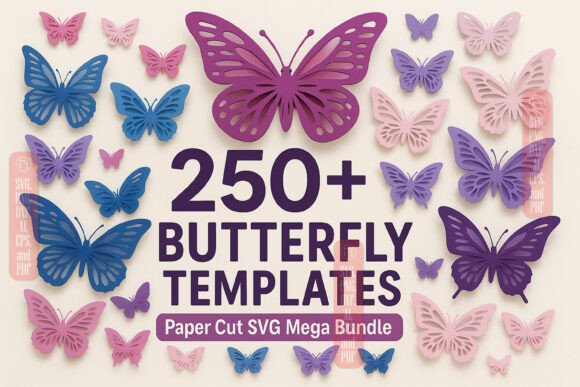
As an embroidery designer who constantly scouts for fresh inspiration, opening the 250 Paper Cut Butterfly SVG Mega Bundle felt less like browsing a digital file folder and more like walking through a high-end papercraft gallery. The collection is marketed primarily for paper cutting and wall decor, but my immediate thought was different: how does this translate to needle and thread? The aesthetic is distinctively layered, relying on depth, shadow, and intricate negative space rather than solid blocks of color. For those of us in the craft business or running an Etsy shop, this visual style is currently trending heavily in boutique markets. However, adapting a design asset originally intended for paper sculptures into a functional machine embroidery design requires a critical eye.
The mood these designs create is ethereal yet structured. They possess a delicate personality that screams "premium handmade product." Unlike standard cartoon butterflies or dense fill stitch motifs, these 3D SVG styles offer a sophisticated silhouette. When I evaluate a bundle of this magnitude, I am looking for versatility. Can it work for a baby embroidery project without looking too sharp? Can it hold up as sweatshirt embroidery without becoming a bulletproof vest on the chest? The sheer variety in this mega bundle suggests yes, but only if you approach the digitizing or adaptation process with intention.
Real-World Application: The Custom Tote Bag Test
To truly judge the viability of the 250 Paper Cut Butterfly SVG Mega Bundle, I mentally prototyped a specific project: a natural canvas tote bag intended for a spring market launch. Tote bags are a staple for any Etsy seller or small shop product line because they offer a flat, stable surface perfect for showcasing detail.
In this scenario, I selected one of the mid-sized butterfly designs featuring tiered wing layers. Because the original files are designed for paper, the lines are crisp and continuous. For embroidery, this translates beautifully to satin stitch borders and running stitch accents. On a canvas tote, the texture of the fabric complements the organic flow of the butterfly wings. I envisioned using variegated thread colors to mimic the gradient effect often seen in paper layering. The result is a tote bag design that looks artistic rather than manufactured.
However, the real test is customer reaction. Buyers today can spot a generic clip-art embroidery from a mile away. They engage with products that tell a story. By utilizing the intricate, layered nature of these designs, the finished product gains perceived value. It stops being just a bag and becomes a piece of wearable art. This distinction is vital for commercial embroidery where margins depend on perceived quality. If you are creating personalized gifts or holiday embroidery items, this level of detail signals to the recipient that time and thought were invested, which directly correlates to higher price points and better reviews.
Navigating Fabric Limitations and Hoop Sizes
While the artistic potential is high, practical application requires caution. Not every design in this bundle will suit every substrate. As an experienced reviewer, I must emphasize that what works for paper does not automatically work for stretchy knits or sheer organza.
- Stretchy Fabrics: When planning sweatshirt embroidery or custom apparel on jersey knits, avoid the most intricate, lace-like variations from the bundle. The density required to replicate those fine paper-cut lines can cause puckering or distortion on unstable fabrics. Opt for bolder, simplified versions within the collection for garments.
- Small Hoop Sizes: Many of these designs feature tiny internal details. If you are working with a 4x4 hoop size for baby clothes or caps, resizing is risky. Reducing a complex layered butterfly below 3 inches may cause the satin stitches to merge or the running stitches to disappear into the fabric weave. Always check the minimum safe size before stitching.
- Dark vs. Light Fabrics: Paper cut designs rely on contrast. On white fabric, you might use tone-on-tone thread to simulate shadows. On dark fabric, you need high-contrast thread colors to make the layers pop. Test your palette first; otherwise, the beautiful layering effect gets lost visually.
- Curved Surfaces: Applying these to caps or curved sleeves demands careful stabilization. The geometric precision of these butterflies can look warped if the fabric shifts during stitching. Use appropriate stabilizer and consider a basting box to anchor the material firmly.
Elevating Brand Consistency and Product Value
For creative entrepreneurs and digital product sellers, consistency is key to building brand recognition. The 250 Paper Cut Butterfly SVG Mega Bundle offers a cohesive visual language. Even though there are 250 unique designs, they share a common DNA of layered elegance. This allows you to build a comprehensive product line—matching nursery decor, embroidered patches, and kitchen towels—that feels curated rather than chaotic.
When presenting these items online, the visual appeal of the design directly impacts buyer engagement. These butterflies photograph exceptionally well because of their inherent depth. Whether you are creating printable mockups for digital sales or photographing finished physical goods, the interplay of light and shadow in the stitch work creates professional-grade imagery. This professionalism builds trust. Customers are more likely to purchase from a shop that demonstrates an understanding of design hierarchy and aesthetic cohesion.
Critical Designer Notes Before You Stitch
Before you load any file from this collection into your machine, please heed these practical warnings derived from years of testing embroidery assets:
- Verify Licensing: The description mentions paper cutting and wall decor. It does not explicitly state commercial embroidery rights. Before selling any finished product or digital embroidery file derived from this bundle, confirm the license terms. Protecting your business starts with respecting intellectual property.
- Test on Scrap Fabric First: Never run a new design directly onto a sellable item. Stitch out your chosen butterfly on a scrap of the exact fabric and stabilizer combination you intend to use. Inspect the registration of the layers and the tension of the satin stitches.
- Check Stitch Density: Since these originate as 3D SVG or paper sculpture files, they may require manual adjustment when converted to embroidery formats. Ensure the stitch density is appropriate for your fabric weight. Too dense causes holes; too sparse leaves gaps.
- Thread Color Planning: Do not rely on auto-digitizing software to pick your colors. Manually select thread colors that enhance the layered effect. Sometimes using a slightly darker shade for the bottom layer and a lighter shade for the top layer enhances the 3D illusion better than matching the paper colors exactly.
- Mockup Validation: Create black and white mockups alongside color versions. If the design reads clearly in grayscale, it has strong structural integrity. If it looks muddy without color, it may need simplification for embroidery.
The 250 Paper Cut Butterfly SVG Mega Bundle represents a significant opportunity for makers willing to bridge the gap between digital paper art and textile craftsmanship. It is not a plug-and-play solution for every project, but for those who take the time to adapt it thoughtfully, it offers a pathway to distinctive, high-value creations that stand out in a saturated market. Approach it with respect for the medium, test rigorously, and let the layered beauty of these designs elevate your next embroidery project.