3D SVG Hibiscus Flower Gift Box Design Review
First Impressions: Evaluating the Paper Cut Aesthetic for Boutique Branding
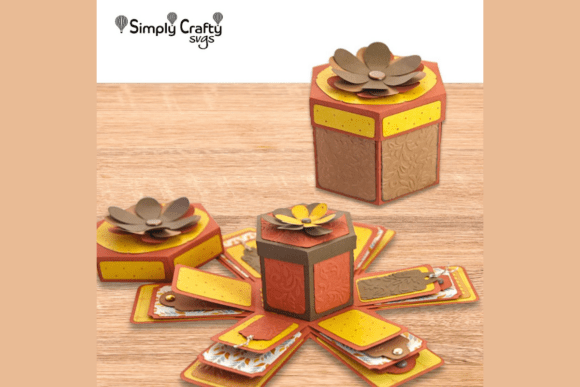
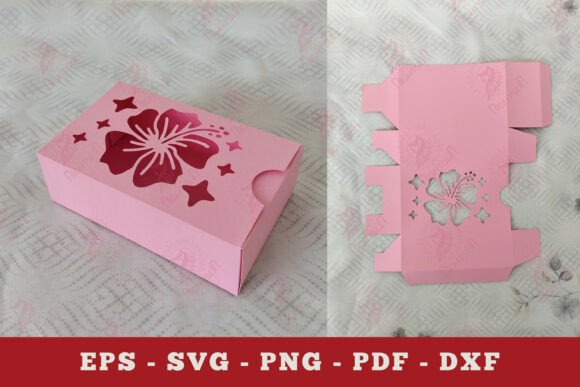
When reviewing the Hibiscus Flower Gift Box Paper Cut SVG for a recent client project involving a tropical skincare line launch, my immediate focus was on the intersection of structural integrity and decorative appeal. As a professional designer, I am often skeptical of pre-made 3D assets because they frequently lack the precision required for actual fabrication. However, this specific graphic design asset strikes a compelling balance between intricate paper-cut styling and functional packaging geometry. The visual mood is distinctly artisanal yet polished, evoking a sense of handmade luxury that is difficult to achieve with standard vector clipart.
For small business branding and handmade businesses, this aesthetic is gold. It communicates warmth and tactile quality instantly. In the context of a real client brief—specifically creating unboxing experiences for an Etsy product line—the hibiscus motif serves as more than just decoration; it acts as a brand anchor. The layered depth inherent in the paper cut style suggests premium value, which is essential when positioning gift boxes as part of a high-end customer journey. Unlike flat illustrations, this 3D SVG offers a sense of volume and shadow that translates beautifully across both digital marketing visuals and physical prototypes.
Performance Across Packaging, Merchandise, and Digital Campaigns
In practical application, the versatility of this creative design asset became apparent during the mockup phase. For packaging design, the file’s inclusion of DXF and SVG formats meant I could send the cut lines directly to a Cricut project or laser cutter without redrawing paths. This is a massive time-saver for print-on-demand sellers and crafters who need production-ready files rather than just pretty pictures. The structural nodes were clean, meaning the assembled box holds its shape without excessive glue tabs, a common failure point in lesser design bundles.
Beyond physical assembly, the High Quality PNG and EPS files proved invaluable for supporting brand identity elements. We utilized the hibiscus illustration as a standalone hero graphic for Instagram posts and Pinterest pins. Because the paper cut style has distinct edges and internal shading, it maintains visual hierarchy even when placed over busy lifestyle photography. For t-shirt design and sublimation design, the artwork scales effortlessly. I tested it on a dark cotton tote bag, and the contrast remained sharp. The intricate petal layers provide enough visual weight to stand alone as a sticker design or serve as a sophisticated background element in Canva templates for social media graphics.
Editorial design and web design also benefit from this asset. When designing the client’s digital lookbook, the 3D nature of the flower added necessary texture to an otherwise minimalist layout. It bridges the gap between modern design trends and traditional craft aesthetics, making it suitable for bloggers and content creators focusing on DIY, beauty, or seasonal lifestyle niches. The ability to separate layers in the AI CS6 file allowed me to recolor specific petals to match the client’s seasonal palette, demonstrating true commercial design flexibility.
Strategic Placement: Maximizing Impact While Avoiding Visual Clutter
While the Hibiscus Flower Gift Box Paper Cut SVG is robust, it requires strategic placement to maintain professionalism. This asset performs best in large layout areas where the paper-cut details can breathe. Hero graphics on websites, full-wrap packaging designs, and dedicated product mockups are ideal environments. The complexity of the layered vectors creates a focal point that draws the eye, enhancing emotional appeal and audience engagement. For printable wall art or greeting cards, the design provides instant intricacy that would take hours to draw manually.
However, designers must exercise caution in crowded layouts or at very small sizes. The delicate inner cuts that define the paper art style can become muddy if scaled down below two inches for print. In minimalist branding or strict corporate materials, the ornate nature of the hibiscus might clash with rigid grid systems. I advise against using this as a tiny favicon or within dense body text, as it will compromise readability and visual trust. Instead, use it as a supporting brand element in headers, footers, or as a watermark-style accent where transparency can be adjusted. For professional corporate projects, ensure the whimsical tone aligns with the brand voice before committing to this creative marketplace asset.
Technical Validation and Pre-Production Designer Notes
Before integrating this digital product into a paid client workflow, I conducted a rigorous technical audit. Professionalism demands more than just opening the file; it requires verifying production viability. Here are my practical notes for fellow designers and makers:
- Vector Integrity Check: Open the AI CS6 and EPS files in Illustrator to inspect anchor points. Ensure there are no stray points or open paths that could cause cutting errors during Cricut projects or laser fabrication. Clean vectors are non-negotiable for commercial license compliance and quality assurance.
- Contrast Testing: Always test the PNG design in black and white first. If the paper cut depth relies solely on color rather than luminance values, it may fail in single-color printing or embossing applications. Verify that shadows and highlights read clearly on both light and dark backgrounds.
- Typography Pairing: The organic, flowing lines of the hibiscus pair exceptionally well with modern serif fonts or clean sans serif typefaces. Avoid overly ornate script fonts, as they compete with the detailed illustration. Let the 3D SVG remain the primary visual anchor while typography supports the message.
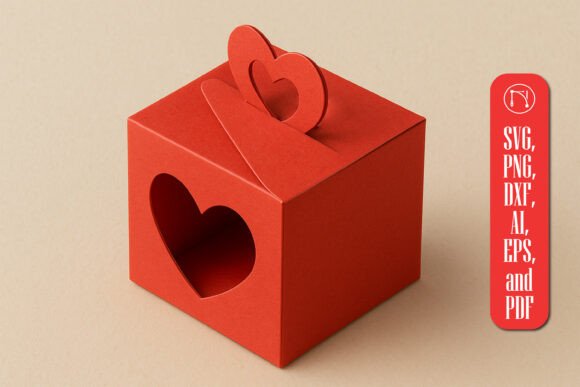
- Format Versatility: Confirm the PDF file includes cut marks if intended for professional printing. For digital sellers, verify that the PNG transparency is clean with no jagged edges. The DXF file should be tested in Silhouette Studio or similar software to ensure compatibility for users without Adobe products.
- Mockup Reality Check: Never rely solely on screen previews. Print a test version at actual size or create a realistic 3D render. Physical paper has thickness that digital screens ignore; ensuring the fold lines align with the printed artwork is critical for gift boxes.
- Licensing Verification: Before selling any derivative works, double-check the commercial license terms. Understand whether you can sell the physical assembled boxes versus the digital files themselves. This distinction protects your business and respects the original creator.
Final Verdict on Commercial Viability and Creative Value
After thorough testing across branding, packaging, and digital mediums, the Hibiscus Flower Gift Box Paper Cut SVG proves to be a high-value asset for serious creatives. It transcends typical clipart by offering genuine structural utility alongside aesthetic beauty. For marketers and brand owners, it provides a shortcut to achieving a bespoke, handcrafted look that resonates with consumers seeking authenticity. For designers, the comprehensive file format list—from editable AI files to cut-ready DXFs—streamlines the workflow from concept to production.
This asset succeeds because it respects the technical requirements of fabrication while delivering the emotional impact of floral artistry. Whether you are launching a new Etsy shop, designing a limited-edition cosmetic package, or creating engaging social media content, this design bundle offers the polish and flexibility required for professional results. Just remember to respect its complexity: give it space, verify your cut lines, and let the layered paper aesthetic elevate your next project from standard to exceptional. In a saturated creative marketplace, assets that bridge the digital-physical divide so seamlessly are rare finds worth adding to your professional toolkit.