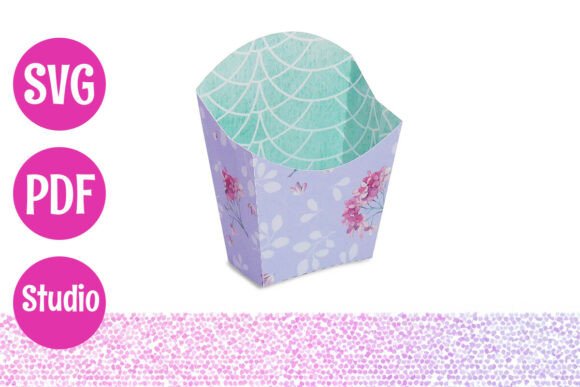
French Fries Box 3D SVG for Editorial Objects
As a digital publisher and blog designer, I constantly evaluate graphic design assets not just for their aesthetic appeal, but for their functional utility in a real content workflow. When I first loaded the French Fries Box 3D SVG into my workspace, I wasn't looking for a simple craft project; I was assessing its potential as a versatile visual anchor for lifestyle and food content. The immediate impression is one of playful sophistication. Unlike flat vector icons that can sometimes feel sterile or overly corporate, this asset carries a tactile, dimensional quality that bridges the gap between digital web design and physical craftsmanship.
This specific asset falls under the Objects category, but it transcends basic clip art. It establishes an editorial mood that is inherently celebratory and interactive. For publishers in the food, parenting, party planning, or DIY niches, this design signals to the reader that the content is hands-on and accessible. It avoids the coldness of stock photography while maintaining a polished, custom-illustrated look that builds immediate brand identity. The visual texture suggests creativity and effort, which directly correlates to higher perceived value in content marketing. When a reader sees this level of detail in a featured image, they subconsciously trust that the accompanying article or digital product has been curated with equal care.
Elevating Blog Graphics and Featured Images
In my recent workflow testing, I integrated the French Fries Box into several blog graphics and website headers. The primary strength here is its ability to create a focal point without overwhelming text overlays. Because it is a 3D representation, it naturally creates depth on a flat screen. This is crucial for visual hierarchy. When designing a website header for a summer party guide or a concession stand business post, the box acts as a visual container that draws the eye, allowing headline typography to sit comfortably in the negative space beside it.
For affiliate marketers and bloggers, this asset solves a common problem: generic visuals for niche topics. Instead of using a low-resolution photo of actual fries, which can look unappetizing or messy depending on lighting, this stylized creative design offers a clean, brand-safe alternative. I found it particularly effective when paired with bold sans-serif fonts for modern appeal, or handwritten scripts for a more personal, journal-style aesthetic. The versatility allows it to function as a recurring motif across multiple posts, strengthening category recognition and site cohesion.
Optimizing Pinterest Pins and Social Media Graphics
Social media platforms demand high contrast and instant readability. During my review, I tested this asset specifically for Pinterest pin creation. The vertical nature of a french fry box aligns perfectly with the 2:3 aspect ratio preferred by Pinterest’s algorithm. As a social media graphic, it performs exceptionally well because the recognizable silhouette remains clear even at thumbnail size. This is vital for click-through rates. Users scrolling through a feed need to understand the context of the pin within milliseconds, and this object communicates "food," "party," or "craft" instantly.
I also utilized the asset in Canva template layouts for Instagram stories and carousel posts. The ability to customize colors means you can adapt the box to match seasonal campaigns—pastels for spring, bright reds for summer, or warm oranges for autumn. This flexibility makes it a high-ROI design asset for creators who need to produce volume without sacrificing consistency. For those running ads, the playful yet professional nature of the illustration helps stop the scroll without triggering ad blindness associated with overtly salesy stock imagery.
Enhancing Digital Products and Lead Magnets
Beyond blog decoration, this asset shines in the realm of printable design and digital downloads. The product description notes that users can create their own box with an easy-to-assemble papercraft template, which opens significant doors for online educators and small business owners. I envision this being packaged as a lead magnet for a party planning newsletter or a bonus resource in a digital guide about hosting events. The tangible value of a usable papercraft increases the perceived worth of your freebie, encouraging higher email sign-up conversion rates.
When creating covers for eBooks or worksheets, the French Fries Box serves as an excellent illustrative element that breaks up text-heavy designs. It adds a layer of interactivity to static PDFs. For small business branding, offering this type of customizable commercial design element can differentiate your shop in a crowded creative marketplace. However, it is imperative to verify the commercial license before bundling this into paid products. Ensuring you have the right to use the asset in monetized contexts protects your business and maintains professional integrity.
Strategic Placement and Visual Limitations
While the French Fries Box is a powerful tool, strategic placement is key to maintaining editorial quality. It works best in hero sections, recipe cards, event recaps, and DIY tutorial headers. These are spaces where the playful, dimensional nature of the 3D SVG enhances the narrative. However, publishers should exercise caution when using this asset in highly serious or corporate environments. A financial advisory blog or a legal tech website would likely find the whimsical tone dissonant with their modern design systems. Additionally, avoid placing detailed text directly over the intricate folds of the box; the visual complexity can reduce legibility. Always prioritize whitespace to let the object breathe.
Mobile responsiveness is another critical consideration. While the asset scales beautifully as a vector, complex shadows or gradients in a 3D render can sometimes appear muddy on smaller screens. I recommend testing the asset at various breakpoints. If the details get lost at 375px width, consider using a simplified version or increasing the padding around the element. Also, be mindful of file size if converting to raster formats for web use; proper compression ensures your editorial design doesn't negatively impact page load speeds, which is essential for SEO and user retention.
Publisher Notes for Professional Implementation
To maximize the effectiveness of this asset in your publishing workflow, adhere to these practical guidelines derived from real-world testing:
- Contrast Testing: Always preview the asset against both light and dark backgrounds. Ensure the edges remain distinct so the 3D effect doesn't flatten out in low-contrast modes.
- Typography Pairing: Test the box alongside your primary font stack. It tends to pair best with rounded sans-serifs or organic display fonts, reinforcing the friendly, handmade aesthetic.
- Thumbnail Validation: Before finalizing any Pinterest pin or blog featured image, shrink the canvas to 10% size. If the French Fries Box is still identifiable, it is safe to publish.
- Licensing Compliance: Double-check the terms for affiliate marketing and paid digital product usage. Never assume a personal license covers commercial distribution.
- Color Consistency: Extract the hex codes from the asset and add them to your brand kit. This ensures that when you customize the box, it harmonizes with your existing visual hierarchy rather than clashing.
- Contextual Relevance: Use the asset to support content, not distract from it. If the article is about nutrition facts, a stylized fry box might send mixed messages. Reserve it for content focused on experience, celebration, or crafting.
Ultimately, the French Fries Box is more than a decorative novelty; it is a functional component of a comprehensive content marketing strategy. By treating it as a serious editorial tool, publishers can leverage its unique blend of playfulness and polish to create more engaging, clickable, and trustworthy digital experiences. Whether used to spice up a newsletter header or as the centerpiece of a downloadable party kit, this asset proves that thoughtful objects can significantly elevate the professional standard of independent publishing.