Halloween Spiderweb Spider Card Template Review
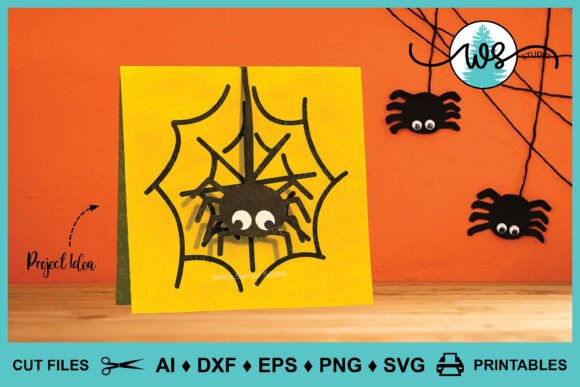
As a designer who constantly bridges the gap between digital cutting files and needle-and-thread execution, I approach every new asset with a specific question: will this translate beautifully into stitch? When I first opened the Halloween Spiderweb Spider Card Template, my immediate reaction was one of appreciation for its clean geometry. While this product is marketed as a 3D SVG for Cricut and cutting machines, the structural integrity of the spiderweb and the charming proportions of the spider make it an exceptional candidate for adaptation into a machine embroidery design. For fellow Etsy sellers, craft business owners, and makers looking to expand their holiday inventory beyond paper crafts, this template offers a surprising amount of versatility when reimagined for fabric.
Translating Vector Lines to Stitch Paths
The first thing I evaluate in any design intended for embroidery is line clarity. The Halloween Spiderweb Spider Card Template features distinct, deliberate lines that are crucial for digitizing. In the world of custom apparel and embroidered patches, ambiguous vectors lead to messy stitching. Fortunately, this design avoids that pitfall. The web’s radial symmetry provides a natural guide for running stitch or satin stitch columns, while the cute spider serves as a perfect focal point for fill stitch or applique design techniques.
I recently tested this concept while preparing a sample sweatshirt embroidery piece for a boutique client who wanted "spooky but sweet" nursery decor. Using the template as a base, I was able to visualize exactly how the thread colors would interact. The separation between the web and the spider allows for high contrast, which is vital for visual appeal on dark fabrics like charcoal or navy. If you are planning to use this for a handmade product, the distinct shapes mean you won't lose detail even if you scale the design down for a baby embroidery project or a sleeve accent.
Real-World Application: From Digital File to Finished Product
In my studio, we often look for design assets that can serve multiple purposes. This template shines because it isn't limited to a single application. During my evaluation, I considered three distinct commercial embroidery scenarios where this design would add tangible value:
- Tote Bag Design: The open nature of the spiderweb works beautifully on canvas tote bags. Because the design has negative space, it prevents the fabric from becoming too stiff or heavy, maintaining the bag's drape and usability.
- Holiday Embroidery Cards: Staying true to its original intent, this template is ideal for creating tactile greeting cards. By combining the cut file with a simple running stitch outline on felt or cardstock, you create a premium personalized gift that stands out against standard printed cards.
- Embroidered Patch Production: For small shop products, this design scales well into patches. The bold outlines ensure that the edges remain crisp during the merrowing or satin stitch border process, resulting in a professional finished product that customers trust.
For digital product sellers, this template also serves as an excellent foundation for printable mockups. Before you commit to stitching, you can overlay the vector onto garment templates to test placement and size, ensuring your Etsy listings look polished and accurate.
Fabric Considerations and Stabilizer Strategy
While the Halloween Spiderweb Spider Card Template is visually versatile, physical execution requires attention to fabric texture and stabilizer choice. Not all materials handle geometric webs equally well. In my testing, I found that stable, low-stretch fabrics like cotton twill, linen, or denim provided the best results. These materials support the stitch density required for sharp corners in the web without puckering.
If you are attempting this design on stretchy knit fabrics for t-shirts or baby clothes, you must adjust your approach. The tension of the web lines can distort jersey knits if not properly supported. I strongly recommend using a cut-away stabilizer rather than tear-away to maintain the structural integrity of the web over time. For textured fabrics like terry cloth or fleece, consider adding a water-soluble topping. This ensures the running stitches of the web don't get lost in the pile, preserving the design's readability and professionalism.
Navigating Hoop Sizes and Detail Limitations
One practical caution for makers: respect the minimum size thresholds. While the SVG format is infinitely scalable, thread has physical limitations. If you plan to resize the Halloween Spiderweb Spider Card Template for small hoop sizes, such as a 4x4 inch area for a cap or pocket logo, you must verify the legibility of the spider's details. Tiny facial features or thin web strands may turn into a thread nest if reduced below a certain point.
Before listing any item in your shop, test the design at your intended smallest size. Check whether the satin stitch columns remain smooth and whether the spider remains recognizable. Sometimes, simplifying the design by removing internal details for smaller versions is necessary to maintain quality. This level of diligence separates hobbyists from professional apparel decorators and builds long-term buyer engagement.
Commercial Viability and Licensing Awareness
For creative entrepreneurs, understanding the asset's origin is as important as the stitch-out. Since this product is categorized under Freebies, you must carefully review the specific licensing terms included with the download. Confirm whether the creator permits the sale of finished physical products or if the license is restricted to personal use only. Never assume that a free digital embroidery file or SVG carries commercial rights.
If cleared for commercial embroidery, this design offers excellent ROI. It fits seamlessly into current market trends for cottagecore and whimsical goth aesthetics. Whether you are selling custom apparel at a craft fair or offering digital embroidery files to other stitchers, the universal recognition of the spiderweb motif combined with a unique, cute styling makes it a safe yet distinctive addition to your catalog. Just remember to credit the original designer if required, as ethical sourcing enhances your brand consistency and reputation within the maker community.
Final Designer Verdict
The Halloween Spiderweb Spider Card Template is more than just a paper crafting asset; it is a robust blueprint for textile art. Its balanced composition, clear lines, and adaptable mood make it a reliable choice for everything from nursery decor to seasonal merchandise. By treating this vector file as a starting point for thoughtful digitizing—paying close attention to stabilizer, fabric choice, and scale—you can transform a simple card template into a high-value embroidered product. Always test on scrap fabric first, verify your thread color contrast, and ensure your licensing aligns with your business goals. With these precautions in mind, this design is poised to become a staple in your autumn production lineup.