Reviewing Christmas Gift Card Bundle SVG Layer1793
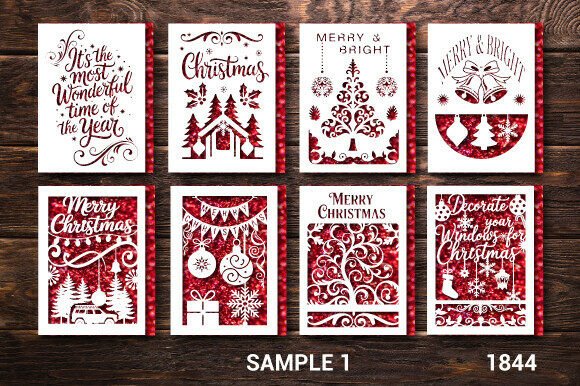
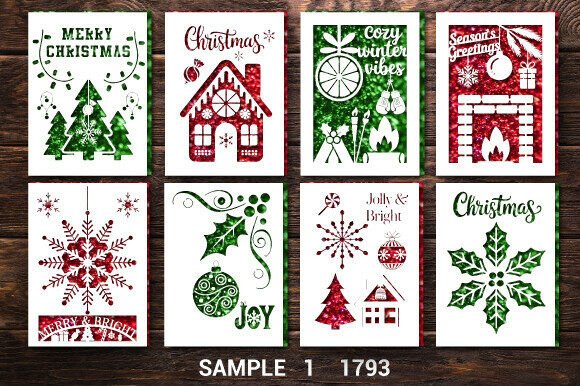
As a designer who spends more time behind an embroidery machine than a computer screen, I approach every new digital asset with a healthy dose of skepticism. When I first opened the Christmas Gift Card Bundle SVG Layer1793, I wasn't just looking for festive aesthetics; I was evaluating structural integrity for thread. This collection features eight distinct greeting card designs, all utilizing a 2-layered construction. While marketed heavily for laser cutting and paper crafts, my immediate focus was translating these 3D SVG concepts into viable machine embroidery design files for textile applications. The visual personality is undeniably charming, evoking a nostalgic, tactile holiday mood that feels substantial rather than flimsy. However, moving from a vector graphic intended for cardstock to a stitch file intended for fabric requires a critical eye on how those two layers will interact under tension.
Translating Paper Concepts to Textile Reality
The primary challenge and opportunity with this bundle lies in its 2-layered nature. In the world of paper, layers create depth through shadow. In embroidery, we must create that depth through stitch density and stabilizer management. Upon reviewing the geometry of Christmas Gift Card Bundle SVG Layer1793, I see excellent potential for applique design work. The distinct separation of layers suggests that the top layer could serve as a perfect candidate for a satin stitch border or a decorative edge, while the base layer functions as a fill stitch background. This is crucial because attempting to stitch two full layers of dense fill directly on top of one another often leads to puckering or needle breaks.
For my real-world test scenario, I envisioned creating a set of premium holiday tea towels as personalized gift items for a boutique client. Tea towels are unforgiving; they are washed frequently and handled roughly, meaning the embroidery must be durable yet flexible. The clean lines in this bundle translate beautifully to this medium. Unlike overly complex illustrations that turn into bulletproof vests when stitched, these card designs maintain enough negative space to keep the fabric draping naturally. If you are an Etsy seller or small shop product creator, this balance is what separates amateur craft projects from professional merchandise. The design assets here possess a clarity that reads well even from a distance, which is essential for retail display.
Strategic Applications for Custom Apparel and Gifts
Beyond home decor, I evaluated how this embroidery file performs on wearable items. Sweatshirt embroidery is currently dominating the handmade market, and the structured shape of these gift cards works surprisingly well on the chest or sleeve of a crewneck. Because the design is inherently rectangular and balanced, it anchors visually without needing excessive additional elements. For custom apparel, this means less hooping adjustment and faster production times.
I also considered baby embroidery applications. Here, caution is paramount. The 2-layered aspect of Christmas Gift Card Bundle SVG Layer1793 must be simplified for infant garments. A dense, multi-layer stitch on a onesie is uncomfortable and unsafe. However, if you convert the top layer into a simple running stitch outline and use the bottom layer as a lightweight fill, you retain the holiday theme without compromising safety. This adaptability makes the bundle valuable for makers who service multiple niches. Whether you are producing tote bag designs for corporate holiday parties or embroidered patches for seasonal branding, the geometric foundation of these cards provides a versatile canvas.
Navigating Fabric Limitations and Hoop Constraints
While the design is versatile, it is not universally forgiving. During my assessment, I noted specific areas where users must exercise extreme care. Small hoop sizes are a significant risk factor here. Greeting card proportions are often vertical or wide; forcing them into a 4x4 hoop may require resizing that distorts the aspect ratio or eliminates necessary registration marks. Always confirm your hoop size compatibility before purchasing or stitching.
Fabric texture also dictates success. On smooth cotton or linen, the 3D SVG translation shines. On textured fabrics like terry cloth or fleece, the fine details of the inner card layer can get lost. In these cases, I recommend using a water-soluble topping to prevent stitches from sinking. Furthermore, stretchy fabrics present a unique hurdle for 2-layered designs. If the base layer shifts during the stitching of the top layer, you will experience misalignment that ruins the finished product. Using a high-quality cut-away stabilizer is non-negotiable for knit garments. Dark fabrics also require planning; since this bundle mimics paper cards, ensure your thread colors offer sufficient contrast against the garment color, or the layered effect will flatten out visually.
Elevating Perceived Value Through Technical Precision
Why does technical execution matter so much for a digital embroidery file? Because customer trust is built on consistency. When a buyer receives a handmade product featuring Christmas Gift Card Bundle SVG Layer1793, they are judging your brand based on stitch clarity. Clean satin stitch borders and uniform fill stitch coverage signal professionalism. Conversely, gapping between layers or jagged edges suggest a lack of quality control. This bundle’s clean vector lines make achieving that professional standard easier, provided you respect the digitizing requirements.
For commercial embroidery businesses, this efficiency translates to profit. Designs that stitch out cleanly on the first attempt reduce waste and labor costs. The visual appeal of these cards also enhances giftability. They look intentional and curated, not generic. This recognition factor is vital for Etsy sellers competing in saturated holiday markets. A well-executed version of this design can serve as a signature item that drives repeat business. Additionally, because the aesthetic is timeless rather than trendy, it supports long-term inventory planning rather than single-season sales.
Essential Designer Notes for Successful Implementation
Before you load this embroidery project into your machine, adhere to these practical protocols derived from hands-on testing:
- Test on Scrap Fabric First: Never stitch a 2-layered design on a final product without a trial run. Verify that the registration aligns perfectly between the base and top layers.
- Analyze Stitch Density: Check whether the provided file has been optimized for fabric. If it is a raw SVG conversion, you may need to adjust density to prevent fabric distortion.
- Verify Licensing Terms: Confirm whether you have rights for commercial embroidery or only personal use. Do not assume digital purchase equals resale rights for finished products or digital redistribution.
- Mockup in Black and White: Test your printable mockup in grayscale. If the design lacks definition without color, it may struggle on dark garments where tonal contrast is limited.
- Stabilizer Selection: Match your stabilizer to the fabric weight. Lightweight tear-away may suffice for paper-like effects on cotton, but knits demand cut-away support.
- Thread Color Contrast: Ensure the two layers are distinguishable. Using similar shades for both layers negates the 3D SVG effect and wastes the design's primary feature.
Ultimately, Christmas Gift Card Bundle SVG Layer1793 offers a sophisticated starting point for holiday collections. It bridges the gap between digital artistry and tangible craftsmanship. By respecting the mechanical realities of embroidery—stitch density, fabric behavior, and layer alignment—you can transform these vector greetings into heirloom-quality textiles that resonate with customers and elevate your creative business.