Some Bunny Gatefold 3D SVG for Pop-Up Cards
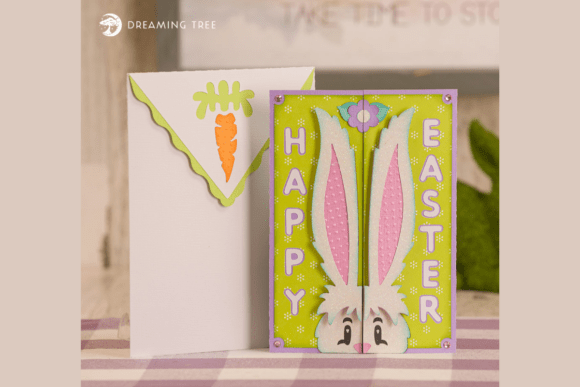
As a digital product creator preparing my shop for the spring season, I am constantly evaluating new assets to determine their commercial viability. When I first opened the Some Bunny Gatefold Card SVG, my immediate assessment focused on its niche appeal within the competitive Easter market. This isn't just another flat vector; it is a specialized graphic design asset intended for interactive paper crafting. The mood is distinctly playful yet polished, featuring a charming bunny face with tall ears designed to simulate glitter and a sweet greeting. For sellers targeting the Cricut and Silhouette community, this specific aesthetic bridges the gap between cute nursery decor and sophisticated cardmaking. It attracts buyers who are looking for that "wow" factor in physical mail, making it a strong contender for shops specializing in 3D paper crafts and seasonal greetings.
Evaluating Commercial Viability for Digital Shops
Before listing any digital download, I run through a mental checklist of potential revenue streams. The primary value of this file is obviously as a cut file for gatefold cards, but as a business owner, I need to maximize the ROI on every asset. In my testing workflow, I evaluated how this design translates across different product types. While it shines as a standalone SVG design for pop-up cards, the individual elements—the bunny face, the ears, and the typography—can be separated to create secondary products. For example, the bunny illustration alone works beautifully as a sticker design for digital planners or physical vinyl stickers. The typography can be repurposed for social media graphics promoting an Easter sale, or used as a header in a Canva template for spring newsletters.
However, creators must be realistic about where this asset fits. It is not a universal clipart pack. Because it is engineered for folding and layering, using it for a standard flat t-shirt design or mug design requires significant modification. The lines are optimized for scoring and cutting, not necessarily for direct-to-garment printing without adjustment. Therefore, I recommend positioning this primarily as a premium paper craft asset rather than a general-purpose sublimation design, unless you plan to create a specific "flat version" bonus file for your customers.
Optimizing Listing Images and Product Presentation
In the creative marketplace, your thumbnail is your storefront window. For a complex item like a gatefold card, static images rarely convert well. My strategy for listing the Some Bunny Gatefold Card SVG involves creating dynamic product mockups that show the card in both open and closed positions. Buyers need to understand the mechanics of the fold instantly. I tested this asset against white and pastel backgrounds to ensure the "glittered" ear details remained visible in small thumbnail sizes. High contrast is essential here; if the intricate cut lines disappear at 1000 pixels wide, the click-through rate will suffer.
Visual storytelling is also critical for small business branding. When presenting this printable design, I pair it with complementary textures in the mockup to suggest a premium feel. Since the description mentions a joyful surprise, the listing photos should evoke emotion. I avoid cluttering the preview with too many props. Instead, I focus on the clean interaction between the bunny face and the gatefold mechanism. This clarity builds customer trust and reduces support tickets asking, "How does this work?" Furthermore, showing the assembled result helps justify a higher price point compared to simple flat vectors, reinforcing the perceived value of your Etsy product.
Technical Testing and Quality Assurance
Nothing damages a seller's reputation faster than a faulty cut file. Before adding this to my design bundle or individual listings, I perform rigorous technical tests. For Cricut project compatibility, I check that all layers are properly welded and grouped. Gatefold cards rely heavily on score lines; I verify that these are set as distinct layers separate from the cut lines so users can toggle them based on their machine setup. I also test the design on both light and dark cardstock. Some SVGs lose detail on darker papers, so confirming visibility is part of my quality control.
File organization is another non-negotiable aspect of selling commercial design assets. Customers expect a seamless experience. I ensure the download includes clearly labeled folders for SVG, DXF, PNG, and PDF formats. If I am including the PNG design version for non-cutting users, I verify it has a transparent background and high resolution (300 DPI). For those using this in packaging design or tags, a crisp raster version is often appreciated as a backup. Additionally, I always double-check the commercial license terms. Can I sell the physical card? Can I sell the digital file as part of a larger bundle? Clarifying these rights protects my business and ensures I am operating ethically within the marketplace guidelines.
Strategic Pairing and Bundle Opportunities
To increase average order value, I look for ways to integrate this asset into broader collections. The Some Bunny Gatefold Card SVG pairs exceptionally well with specific font styles. During my review, I tested it against bold sans-serif fonts for modern appeal and flowing script fonts for a traditional Easter look. Offering a "Font Pairing Guide" as a bonus PDF can significantly enhance the user experience. This transforms a single illustration into a comprehensive resource for handmade business owners who struggle with typography.
I also consider cross-promotion opportunities. If you sell digital paper packs or coordinating envelope templates, link them directly in the product description. This creates a cohesive brand identity and encourages shoppers to buy multiple items. For content creators and bloggers, this asset serves as excellent visual content for tutorials. Creating a "How-To" video using this specific gatefold design drives traffic back to your shop. Just remember to use caution when scaling down; tiny details in the bunny’s face may tear if cut on low-quality paper. Always include a recommended material list in your listing to help customers achieve the best results with your design assets.
Risk Assessment and Best Use Cases
While this asset is versatile, it has limitations that sellers must acknowledge. It is not suitable for extremely small applications like 1-inch planner stickers due to the intricacy of the ear details. Similarly, avoid using it on busy, patterned backgrounds in thumbnails where the white cut lines might get lost. It performs best in large-format previews and dedicated card-making niches. For print-on-demand sellers, this is less relevant for apparel but highly valuable for greeting card platforms. Understanding these boundaries prevents negative reviews from customers who expected a one-size-fits-all solution.
Ultimately, the Some Bunny Gatefold Card SVG is a robust addition to a spring inventory when positioned correctly. It appeals to the growing demographic of crafters seeking interactive, dimensional projects rather than flat prints. By focusing on technical accuracy, clear presentation, and strategic bundling, sellers can turn this single digital product into a seasonal bestseller. Whether you are updating your Etsy shop, creating content for a blog, or expanding your sublimation design catalog with paper-based alternatives, this asset offers tangible commercial potential for those willing to put in the preparation work.