Birthday Card Papercut SVG 4: 3D SVG for Birthdays
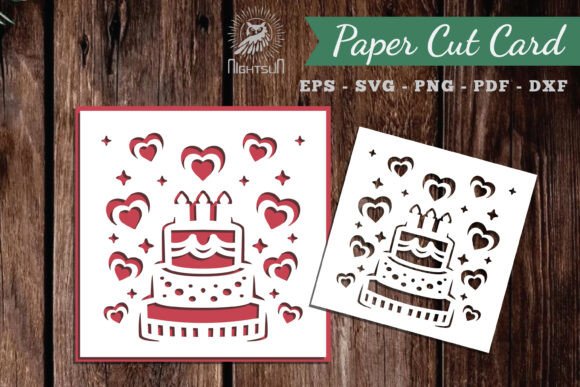
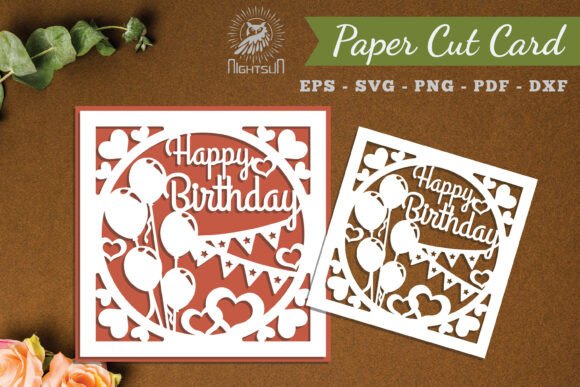
As a digital product creator constantly scouting for assets that convert, my evaluation of Birthday Card Papercut SVG 4 begins with its immediate commercial viability. In the saturated market of birthday-themed digital downloads, this asset stands out because it bridges the gap between flat vector art and tactile craftsmanship. The design possesses a distinct layered aesthetic that mimics physical paper cutting, giving it a premium, handmade feel even when rendered digitally. For sellers targeting the Cricut community or those offering printable greeting cards, this visual depth is crucial. It signals to the buyer that this is not just a generic clipart file, but a specialized 3D SVG intended for dimensional projects. The mood strikes a balance between festive elegance and modern versatility, making it suitable for a wide demographic ranging from children’s parties to sophisticated adult celebrations.
Evaluating File Versatility for Commercial Product Lines
When integrating a new graphic design asset into an online shop, file format dictates profit potential. This package delivers the essential variety needed for multi-platform selling. The inclusion of an SVG for cutting is the primary draw for crafters using Cricut or Silhouette machines. However, as a seller, I value the accompanying AI CS6 and EPS files equally. These vector formats allow me to modify colors, adjust stroke weights, or resize elements without quality loss before exporting final products. This editability is non-negotiable for creating cohesive design bundles or matching specific brand palettes for custom orders.
The high-quality PNG serves a different segment of my customer base: the digital planners and sublimation sellers. Unlike standard vectors, this rasterized version preserves the shadow and texture effects that create the papercut illusion. For print-on-demand sellers, this PNG is ready for direct application on merchandise where vector layering isn't possible. The PDF and DXF additions further future-proof the asset, ensuring compatibility with older software versions and professional print shops. When listing this as a digital download, clearly communicating this comprehensive file list reduces pre-sale questions and increases perceived value.
Real-World Applications Across Creative Marketplaces
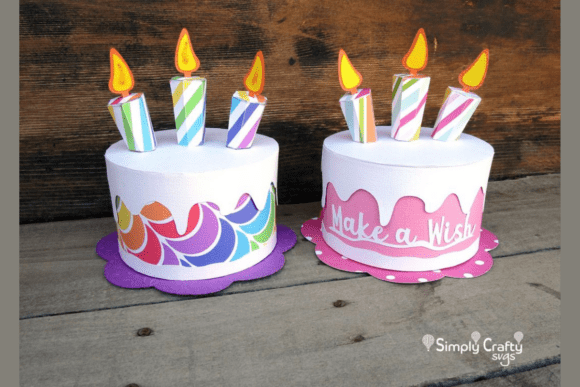
In testing Birthday Card Papercut SVG 4 for actual product creation, I focused on three distinct revenue streams. First, as a standalone Cricut project file, it excels in the card-making niche. The layered structure guides users through assembly, reducing frustration and negative reviews. Second, I utilized the PNG as a central element in a Canva template for social media birthday announcements. The intricate details provided enough visual interest to anchor the design without requiring additional expensive elements. Third, the vector files were adapted for laser-cut wooden cake toppers. Because the paths are clean and optimized, the translation from digital papercut style to physical wood worked seamlessly, opening up a higher-ticket physical product category.
Beyond cards, this asset has strong potential for home decor. I tested it as a printable wall art piece by scaling up the vector and adding textured paper backgrounds in post-production. The result was a nursery-appropriate print that felt bespoke rather than mass-produced. For sticker designers, the bold shapes translate well to vinyl decals, though care must be taken with internal cut lines. As a sublimation design for tumblers or mugs, the layered effect creates a faux-3D appearance that customers love, simulating expensive appliqué work at a fraction of the cost.
Optimizing Listing Images and Visual Hierarchy
A superior illustration fails if the thumbnail doesn't communicate its utility. With Birthday Card Papercut SVG 4, the mockup strategy is critical. Because the design relies on depth, flat previews often look underwhelming. I recommend creating product mockups that utilize drop shadows and angled lighting to emphasize the 3D nature of the papercut layers. This visual storytelling instantly tells the buyer what makes this file special. When designing Etsy listing images, pair the finished render with a screenshot of the node structure or layer panel. This proves technical quality to experienced makers who worry about messy vectors.
For social media graphics promoting this asset, use video content showing the digital ungrouping process or a time-lapse of the physical assembly. Static images should showcase the design in context—on a mantel, inside an envelope, or applied to a gift box. This contextualization helps buyers visualize the end result. Consistency in brand identity is also key; if your shop focuses on minimalist aesthetics, present this ornate design with ample white space and neutral tones to align with your existing catalog while still highlighting its unique features.
Technical Considerations and Usage Boundaries
While versatile, Birthday Card Papercut SVG 4 requires mindful application. The intricate nature of papercut styles means they can fail at very small scales. I advise against using this for tiny planner stickers or detailed jewelry tags unless you simplify the vector paths first. Fine details may tear during cutting or become muddy in low-resolution prints. Additionally, test the contrast rigorously. Papercut designs rely on light and shadow definition; placing this asset on a busy or similarly colored background can flatten the effect entirely. Always preview on both white and dark backgrounds to ensure legibility.
Font pairing is another strategic decision. Given the decorative complexity of this SVG design, avoid overly ornate script fonts that compete for attention. Clean sans-serif or elegant serif typefaces provide necessary breathing room and maintain a professional visual hierarchy. Before publishing, verify the commercial license terms specifically regarding modified versus unmodified resale. While the asset is robust, confirming these legal boundaries protects your small business branding and prevents marketplace violations. Finally, organize your delivery files logically. Grouping vectors in one folder and rasters in another enhances the customer experience, leading to better feedback and repeat business in the creative marketplace.
Seller Checklist for Quality Assurance
- Test Cut Validation: Always perform a physical test cut on standard cardstock and vinyl to verify that internal weeding points are manageable before listing as a Cricut project.
- Resolution Check: Zoom the PNG to 100% to ensure edges are crisp and transparency is clean, avoiding jagged pixels in printable design outputs.
- Color Profile Verification: Confirm whether the files are RGB or CMYK to prevent color shifting when customers use the asset for professional printing versus screen viewing.
- Mockup Diversity: Create at least three distinct mockups (physical card, digital invite, merchandise) to demonstrate the full range of the commercial design.
- Keyword Alignment: Ensure tags include specific long-tail phrases like "layered birthday svg" or "3d papercut template" rather than just generic "birthday" terms to capture high-intent traffic.
- Bundle Potential: Assess how this asset pairs with existing inventory to create a themed design bundle, increasing average order value through strategic cross-selling.
Ultimately, Birthday Card Papercut SVG 4 represents a solid investment for sellers who understand the nuances of layered design. It offers the technical flexibility required for professional adaptation and the aesthetic appeal necessary to stand out in crowded Birthdays categories. By approaching this asset with a rigorous testing mindset and strategic presentation plan, creators can transform a single download into a multifaceted revenue stream across various platforms. Success lies not just in the file itself, but in how effectively you bridge the gap between digital asset and tangible customer solution.