Polka-Dot Monogram Omega: A Designer's Review
When evaluating a new machine embroidery design for my studio, I look beyond the digital preview and focus on how the artwork translates into thread and fabric. The Polka-dot Monogram Greek Letter Omega immediately caught my attention as a potential staple for personalized gifts and boutique merchandise. At approximately 30cm high, this design commands presence, but its true value lies in its versatility across different mediums. As a designer who frequently creates custom apparel and nursery decor, I approached this file with a critical eye toward stitch integrity, visual balance, and commercial viability for small business owners and Etsy sellers.
First Impressions and Visual Personality
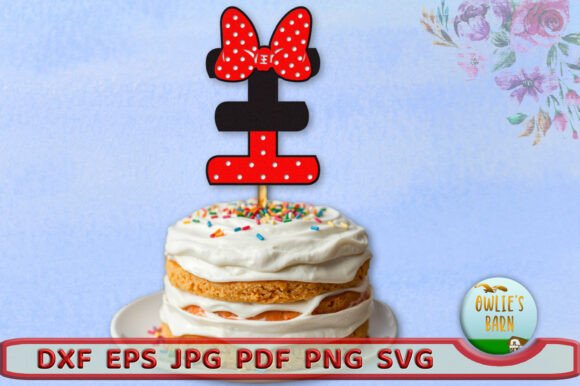
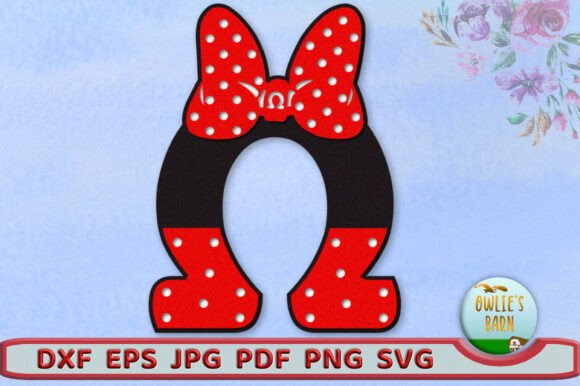
The initial mood of the Polka-dot Monogram Greek Letter Omega is undeniably celebratory yet refined. It strikes a difficult balance between playful and elegant, making it suitable for both children’s birthday projects and sophisticated sorority or fraternity merchandise. The inclusion of the cute bow adds a tactile, feminine softness that prevents the Greek letter from feeling too academic or rigid. Visually, the polka-dot pattern provides excellent texture without overwhelming the monogram structure.
For an Etsy seller or creative entrepreneur, this aesthetic is gold. It photographs beautifully in printable mockups because the contrast between the dots and the solid letterform creates immediate visual interest. However, as a 3D SVG intended for hand or machine cutting as well as embroidery, the layered nature requires careful consideration. In a digital format, layers are clean; in embroidery, they require precise registration. The design feels like it was created with intention, but success depends entirely on execution.
Real-World Application: The Custom Sweatshirt Test
To truly judge this design, I mentally applied it to a current client request: a custom sweatshirt for a college senior’s graduation photoshoot. This scenario tests the limits of any embroidery file. A 30cm height is substantial for wearable art. On a heavyweight fleece sweatshirt, the Polka-dot Monogram Greek Letter Omega would serve as a stunning centerpiece. The scale allows the polka dots to remain distinct rather than blurring into a muddy fill stitch.
In this application, the design elevates the perceived value of the finished product. Clients are willing to pay a premium for large-format embroidery that looks crisp. The bow detail acts as a focal point that draws the eye upward, which is flattering in photography. However, because this is categorized under Birthdays, I also envision this working exceptionally well on a canvas tote bag for a first birthday party favor. The structured nature of canvas supports the weight of a large design better than thin knits, ensuring the monogram remains legible and professional.
Fabric Compatibility and Stabilizer Strategy
While the design is versatile, it demands respect regarding fabric choice. The 30cm size means significant stitch count and coverage. Here is where practical judgment matters most:
- Heavyweight Fabrics: Denim, canvas, and thick fleece are ideal. They provide the necessary foundation for a large applique design or dense fill areas without puckering.
- Stretchy Knits: Use caution with lightweight t-shirts or baby onesies. A design of this magnitude can cause "bulletproofing," where the embroidered area becomes stiff and heavy compared to the surrounding fabric. If using on stretchy material, verify the stitch density first.
- Textured Surfaces: Avoid terry cloth or high-pile fabrics unless you use a water-soluble topping. The polka-dot details could get lost in the nap of the fabric, reducing clarity.
Stabilizer selection is non-negotiable here. For a project of this scale, I recommend a cut-away stabilizer for permanent support, potentially doubled up depending on the fabric weight. Floating the fabric might work for smaller designs, but for a 30cm monogram, hooping securely is essential to prevent shifting during the long stitch-out time.
Navigating Technical Constraints and Hoop Sizes
The most critical logistical hurdle for this Polka-dot Monogram Greek Letter Omega is the size. Many standard home embroidery machines have a maximum hoop size of 4x4 or 5x7 inches. A 30cm (approximately 11.8 inches) height exceeds these common limitations. Before purchasing or attempting to stitch, you must confirm your machine’s capabilities.
If you possess a larger hoop, such as a 6x10 or 8x12, this design is a powerhouse. If you are limited to smaller hoops, check if the digital embroidery file includes pre-split versions with alignment marks. If not, you will need software to split the design manually. Splitting a complex layered monogram carries risks; misalignment can ruin the polished look of the bow or the continuity of the polka dots. Always test alignment on scrap fabric before committing to a final garment. For those using this as a cutting file for vinyl or HTV, the 30cm size is generally manageable for most desktop cutters, making it a dual-purpose asset for mixed-media creators.
Commercial Viability and Product Value
For small shop owners and makers, time is money. Large designs take longer to stitch out, so the profit margin must justify the machine runtime. The Polka-dot Monogram Greek Letter Omega justifies this time investment through its high perceived value. It does not look like generic clip art; it looks like bespoke branding.
This design performs exceptionally well in specific niches:
- Sorority/Fraternity Merch: The Omega letter is specific, reducing competition and increasing relevance for targeted buyers.
- Milestone Birthdays: Perfect for "Omega" themed parties or last-name initials that happen to be O.
- Boutique Branding: Can be adapted as a logo patch for hats or aprons if the licensing permits commercial use.
Customer trust is built on consistency. If you sell this as a personalized gift, ensure your thread colors match the digital proof exactly. The contrast between the polka dots and the base letter should be tested in black and white mockups to ensure readability even when color is removed. A design that relies solely on color contrast often fails in embroidery; it needs value contrast to pop.
Designer Notes for Successful Execution
Before adding this to your production lineup, adhere to these professional best practices:
- Verify Licensing: Since this is a digital product, confirm whether you can sell finished physical items versus the digital file itself. Commercial embroidery rights vary by designer.
- Thread Color Testing: Polka dots can look chaotic if the thread tension is off. Use a high-quality polyester or rayon thread and adjust tension to prevent bobbin thread from showing on top.
- Check Small Details: Inspect the bow attachment points. In large designs, transition stitches between elements can sometimes be weak. A few manual reinforcement stitches during digitizing or editing can save a project.
- Mockup Realism: When listing this online, show it on a textured background. Flat vector previews do not convey the dimensionality of a 3D SVG or embroidered piece.
- Washability: If used on baby items or kitchen towels, test wash durability. Large satin stitch borders can snag; consider a running stitch outline for added security.
The Polka-dot Monogram Greek Letter Omega is more than just a seasonal graphic; it is a robust design asset for the serious maker. Its success in your shop will depend less on the file itself and more on your technical preparation and fabric pairing. By respecting the scale and testing your materials, this design can become a reliable bestseller for birthdays, Greek life events, and personalized fashion. Always prioritize a test stitch-out on your intended substrate to ensure the final handmade product meets the high standards your customers expect.